How Often Should You Check Tyre Pressure? Driver Safety Guide
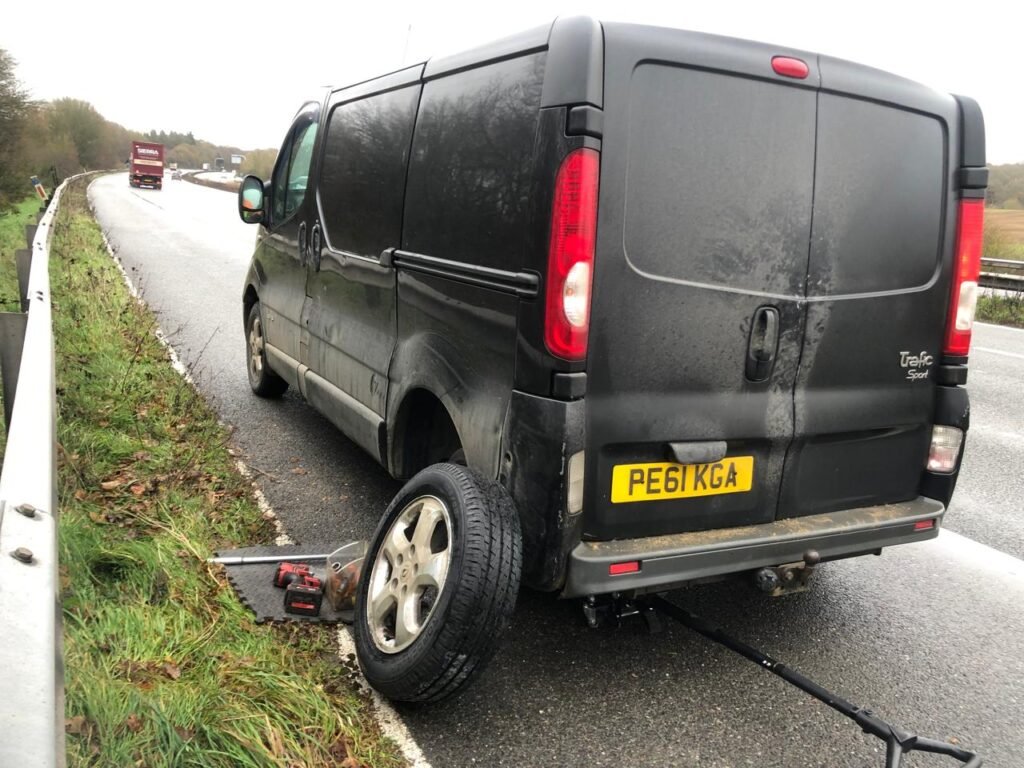
Introduction Most drivers rarely think about tyre pressure until a warning light suddenly appears on the dashboard. However, tyre pressure directly affects vehicle safety, fuel consumption, tyre lifespan, and overall driving performance. Even slightly incorrect tyre pressure can cause significant long-term problems. Many drivers underestimate how important routine tyre pressure checks are. Knowing how often you should check tyre pressure helps prevent tyre damage, improve fuel efficiency, and reduce breakdown risk. In this guide, we explain how frequently tyres should be checked and why regular monitoring matters. Why Tyre Pressure Matters Tyres are designed to operate at specific pressure levels recommended by the manufacturer. Incorrect pressure affects: Vehicle handling Braking distance Fuel efficiency Suspension performance Tyre wear pattern Even small pressure differences change how the tyre contacts the road surface. Proper inflation keeps the vehicle performing safely. How Often Should You Check Tyre Pressure? Most experts recommend checking tyre pressure: At least once every two weeks Ideally: Every week Pressure should also be checked: Before long journeys During major temperature changes After hitting potholes Before motorway driving After noticing unusual handling Frequent checks help catch slow leaks early. What Happens If Tyre Pressure Is Too Low? Low tyre pressure creates serious risks. Possible problems include: Faster Tyre Wear The tyre edges wear unevenly. Poor Fuel Economy Low pressure increases rolling resistance. Reduced Road Grip Handling becomes unstable. Higher Blowout Risk Sidewalls flex excessively causing heat buildup. Low pressure often leads to dangerous tyre failure. What Happens If Pressure Is Too High? Overinflated tyres also create problems. Common issues include: Reduced grip Centre tread wear Rougher ride quality Reduced braking performance Higher risk of impact damage Both underinflation and overinflation affect safety. Correct balance is essential. How To Check Tyre Pressure Properly Follow these steps: Step 1: Check Manufacturer Recommendation Look inside: Driver door frame Fuel cap sticker Vehicle manual Step 2: Use Accurate Pressure Gauge Digital gauges offer better accuracy. Step 3: Check Cold Tyres Pressure changes after driving. Check tyres before starting long journeys. Step 4: Adjust Pressure If Necessary Inflate according to manufacturer specifications. Signs Pressure May Be Incorrect Watch for warning signs. Low pressure symptoms: Heavy steering Poor fuel economy Uneven wear Vehicle pulling sideways High pressure symptoms: Harsh ride Reduced traction Faster centre tread wear Regular inspection prevents serious damage. Why Seasonal Weather Changes Matter Temperature directly changes tyre pressure. Cold weather reduces internal air pressure. Hot weather increases pressure. Drivers often notice pressure changes during: Winter months Heatwaves Sudden temperature shifts Seasonal checks become especially important. How Regular Pressure Checks Save Money Routine pressure checks reduce: Premature tyre replacement Fuel costs Blowout risk Suspension wear Roadside emergencies Small maintenance habits prevent expensive future repairs. Professional Tyre Inspection Benefits Professional inspections help identify hidden problems such as: Slow punctures Valve leaks Internal tyre damage Uneven wear patterns Many drivers use mobile tyre fitting services when tyre replacement becomes necessary. (Internal Link → Homepage Service Page) Frequently Asked Questions Can I drive with low tyre pressure? It is unsafe and increases tyre wear. Does weather affect tyre pressure? Yes. Cold weather lowers tyre pressure. Should I check tyre pressure before motorway driving? Yes. Long-distance driving generates heat and increases tyre stress.
Why Do Car Tyres Lose Pressure? 8 Common Causes Explained
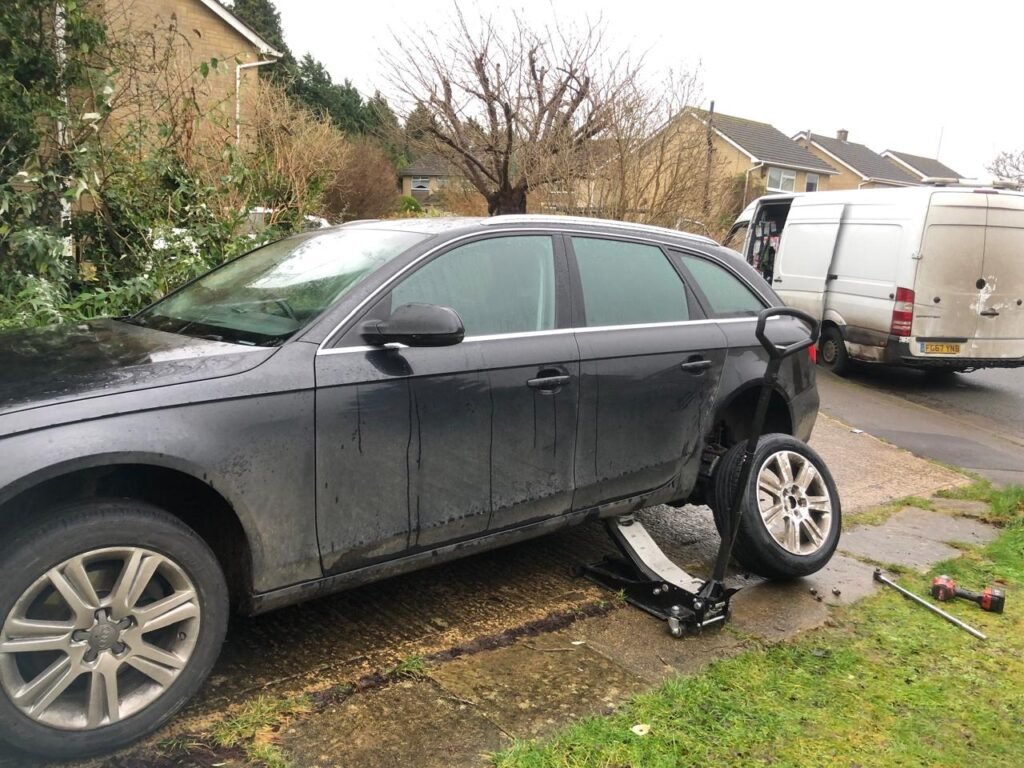
Introduction Tyre pressure plays a critical role in vehicle safety, fuel economy, braking performance, and overall driving comfort. Yet many drivers notice a common problem — their tyres gradually lose pressure even when there is no visible puncture. A tyre losing pressure occasionally may seem normal, but repeated pressure loss usually signals an underlying issue that needs attention. Driving on underinflated tyres can cause uneven wear, reduced road grip, poor fuel efficiency, and in extreme cases dangerous tyre blowouts. Understanding why car tyres lose pressure helps drivers identify problems early and avoid expensive repairs later. In this guide, we explain the most common reasons tyres lose air pressure and what drivers should do when it happens. 1. Small Nail or Sharp Object Puncture The most common cause of tyre pressure loss is a small puncture. Roads often contain sharp debris such as: Nails Screws Glass fragments Metal pieces Sharp stones Sometimes the puncture is so small that air escapes very slowly over several days. Drivers may keep inflating the tyre repeatedly without realizing there is hidden damage. A professional inspection can usually identify the exact leak location. If repair is not possible, mobile tyre fitting services provide convenient roadside replacement. (Internal Link → Service Page) 2. Faulty Tyre Valve Stem The tyre valve controls airflow during inflation. Over time valve stems can deteriorate because of: Rubber ageing Dirt buildup Corrosion Physical damage during inflation Even a small valve leak causes slow pressure loss. Sometimes replacing the valve completely solves the issue without replacing the tyre itself. Valve damage is often overlooked during routine inspections. 3. Temperature Changes Affect Pressure Many drivers do not realize outside temperature directly affects tyre pressure. Cold weather causes air molecules inside the tyre to contract. This reduces internal pressure. As a general rule: Tyres lose approximately 1 PSI for every 10°F temperature drop. During winter months drivers often notice pressure warning lights more frequently. This is normal to some extent. Regular pressure checks become more important during seasonal temperature changes. 4. Damaged Wheel Rim The tyre seals tightly against the wheel rim. If the wheel rim becomes damaged, air may escape slowly. Common causes include: Hitting potholes Curb impact Bent alloy wheels Corrosion around the rim edge Even slight rim damage can break the air seal. Drivers often mistake this for a puncture. Professional inspection can determine whether tyre replacement or wheel repair is needed. 5. Old Age Tyre Deterioration Tyres naturally degrade over time even when not used heavily. Rubber compounds slowly lose flexibility. As tyres age they develop: Sidewall cracks Hard rubber surfaces Reduced air retention Weak structural integrity Older tyres frequently lose pressure more often than new tyres. Most manufacturers recommend inspection after five years. Replacing old tyres improves both safety and performance. 6. Bead Seal Leakage The tyre bead is the inner edge that seals against the wheel rim. Corrosion or dirt buildup around the rim may create tiny air leaks. This issue becomes common on older vehicles. Signs include: Slow air loss over several days No visible puncture Constant reinflation requirement Cleaning the rim sometimes solves the problem. Severe cases may require replacement. 7. Overloading Your Vehicle Carrying excessive weight places extra pressure on tyres. Heavy loads increase: Internal tyre heat Sidewall stress Pressure imbalance Structural strain Overloaded vehicles often experience faster tyre wear and increased pressure fluctuations. Checking your manufacturer’s load recommendations helps prevent unnecessary tyre damage. 8. Poor Maintenance Habits Simple maintenance mistakes cause many tyre problems. Common mistakes include: Ignoring low pressure warnings Skipping regular inspections Driving aggressively Delaying puncture repair Incorrect inflation levels Routine tyre care significantly extends tyre lifespan. How To Prevent Pressure Loss Follow these simple habits: Check tyre pressure weekly Inspect tyres visually every month Avoid potholes whenever possible Replace ageing tyres early Rotate tyres regularly Consistent maintenance reduces long-term repair costs. Frequently Asked Questions Is it normal for tyres to lose pressure slowly? Small pressure changes are normal, but repeated loss usually indicates a leak. Can cold weather reduce tyre pressure? Yes. Lower temperatures naturally reduce tyre pressure. Should I keep driving with low tyre pressure? No. Underinflated tyres reduce safety and increase wear.