Flat Tyre in Reading? What To Do Fast | Mobile Tyre Doctor
A flat tyre never picks a good moment. It’s usually crossing Magdalen Bridge, halfway down the Botley Road, or just as you’ve joined the A34. Wherever you are, this guide walks you through exactly what to do, step by step, and explains how mobile tyre fitting Oxford drivers rely on can get you moving again without a tow truck or a trip to the garage. Step 1: Get to a Safe Spot Before you touch the tyre, safety comes first. If you’re on the A34 or a dual carriageway, avoid stopping on the hard shoulder if you can help it. Try to reach the next exit, services, or a designated refuge area. On a normal road, pull as far left as possible — a car park, side street, or driveway away from moving traffic is ideal. Oxford’s narrow city-centre streets and cycle lanes make this especially important around areas like Cowley Road or the High Street. Switch your hazard lights on straight away and place a warning triangle behind the vehicle if you have one. If you’ve broken down on the A34 hard shoulder, exit on the passenger side, stand behind a barrier if one is available, and call for help rather than attempting a roadside change yourself. If your breakdown is on a fast-moving route through Oxfordshire, our Motorway Tyre Assistance service covers the A34 corridor, including the stretches near Newbury, Abingdon, and Didcot, so you’re not left waiting on a generic recovery service that doesn’t carry the right tyres. Step 2: Work Out What’s Actually Wrong Not every flat tyre needs a full replacement. A quick visual check helps you — and whoever you call — understand what you’re dealing with: A nail, screw, or small puncture in the tread — usually repairable on the spot. A tyre that’s flat with no obvious cause — often a slow puncture or valve fault. A sidewall bulge, tear, or a shredded tyre — this almost always means replacement, not repair. A bent or damaged wheel rim — worth a closer inspection before driving any further, even slowly. Not sure which of these applies? That’s completely normal — it’s exactly what our technicians assess on site as part of every Puncture Repair call-out. Step 3: Don’t Drive on a Flat (Even a Short Distance) It’s tempting to limp round the corner to somewhere safer, but driving on a flat or badly damaged tyre — even for a few hundred metres — can: Damage the wheel rim, turning an £80–£150 tyre job into a far more expensive repair Cause the tyre to shred entirely, leaving no usable spare option Affect steering and braking, particularly at higher speeds on routes like the A34 or Eastern Bypass If you must move the car a short distance for safety, go slowly and only as far as necessary. Step 4: Call for Mobile Help Instead of a Tow This is where most drivers lose time — calling a garage, being told to bring the car in, then arranging a separate tow on top. It’s slower, more stressful, and often costs more than it needs to. A mobile tyre fitter Oxford service skips all of that. Instead of the car going to the garage, the garage comes to you — at home, at work, or wherever you’ve broken down. Mobile Tyre Doctor’s technicians typically arrive within 20 to 30 minutes, carrying the tools and tyre stock needed to sort the problem on the spot. Depending on what your tyre needs, we offer: Mobile Tyre Fitting — general fitting for new or replacement tyres Mobile Tyre Replacement — for tyres too damaged to repair Mobile Tyre Repair — repair work for less severe damage Puncture Repair — fast, safe repairs where the damage allows it Roadside Tyre Repair — for breakdowns away from home or work Wheel Balancing — to smooth out vibration after a new tyre is fitted Motorway Tyre Assistance — for breakdowns on the A34 and surrounding routes What Areas Does This Cover? Whether you’ve broken down in the city centre or out toward the edges of Oxfordshire, there’s a good chance we already cover your area. Our vans regularly go out to Headington, Horspath, Kennington, Cumnor, Godstow, Botley, and Binsey, as well as further out to Eynsham, Woodstock, Yarnton, and Bicester. Not sure if your location is covered? Give us a call — most jobs across Oxfordshire are within reach. How Much Will It Cost? Prices for mobile tyre fitting in Oxford start from £80, depending on the tyre type and service required. Call-out response times average 20 to 30 minutes across most of the city and surrounding areas, so you’re rarely left waiting long. Prevent It Happening Again Once you’re back on the road, it’s worth getting a quick tyre health check to catch other issues before they turn into another roadside emergency. Our Tyre Safety Guide covers tread depth, pressure checks, and how to spot early warning signs of tyre damage — all worth checking every few weeks, especially before longer drives out toward Winchester or Newbury. Frequently Asked Questions How fast can you reach me if I have a flat tyre in Oxford? Most call-outs are reached within 20 to 30 minutes, depending on your exact location and technician availability at the time. Can you repair my tyre, or will I definitely need a replacement? It depends on the damage. Our technician inspects the tyre on site and repairs it where it’s safe to do so; if the damage is too severe — sidewall damage, large tears, or a bent rim — we’ll fit a replacement instead. Do you carry tyres with you, or do I need to buy one first? Our vans stock a wide range of budget, mid-range, and premium tyres, so in most cases we can fit a suitable tyre on the spot without you needing to source one separately. What if I’ve broken down on the A34? Get to a safe position first — ideally an
How to Know When Your Car Needs New Tyres: 10 Warning Signs Drivers Should Never Ignore
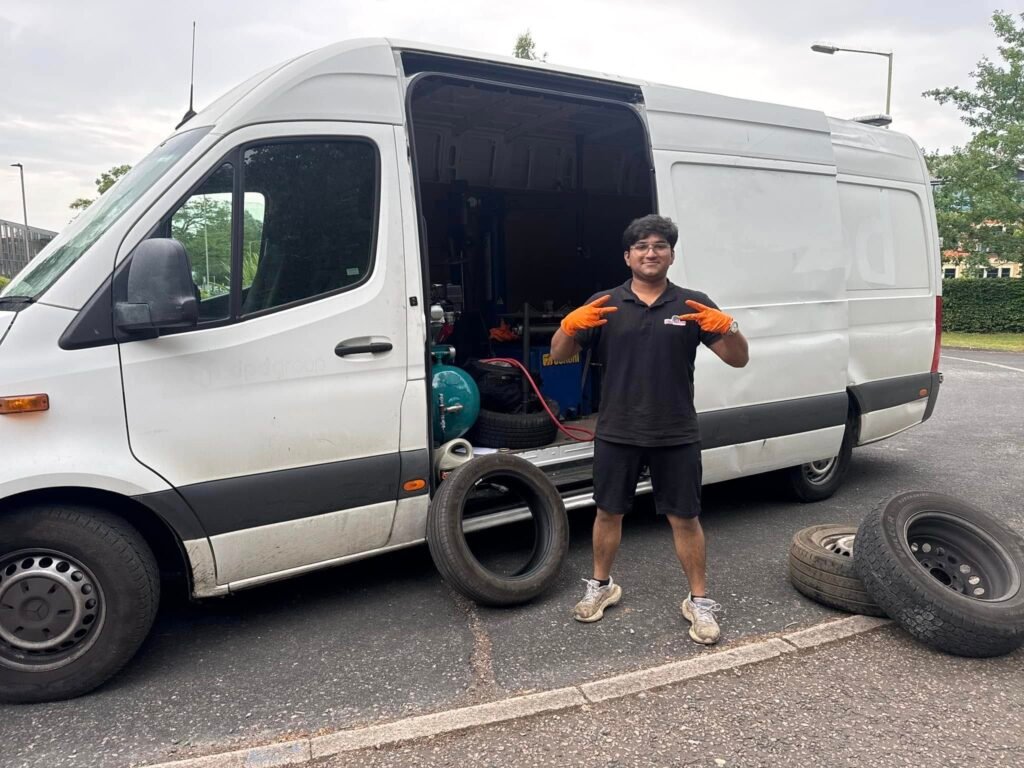
Introduction Your vehicle’s tyres are the only part of your car that maintains direct contact with the road. No matter how advanced your braking system, suspension, or steering technology may be, worn-out tyres can significantly reduce your safety while driving. Unfortunately, many drivers continue using tyres long after they have become unsafe. While tyres may look fine from the outside, hidden damage, worn tread, and sidewall deterioration can create serious risks that often go unnoticed. Knowing when your car needs new tyres can help prevent expensive breakdowns, improve fuel efficiency, and most importantly keep you safe on the road. In this guide, we explain the most common warning signs that indicate your tyres may need replacing immediately. 1. Tread Depth Is Too Low Tyre tread is essential for maintaining grip, especially during wet weather. In the UK, the legal minimum tread depth is 1.6mm, but many tyre professionals recommend replacing tyres once tread reaches 2–3mm for better safety. Low tread can cause: Reduced traction Longer braking distance Poor wet weather handling Increased hydroplaning risk A simple way to check tread depth is by using a tyre tread gauge. If tread becomes dangerously low, tyre replacement should not be delayed. 2. Visible Cracks on the Tyre Sidewall Tyres naturally degrade over time. Exposure to sunlight, changing temperatures, road salt, and poor maintenance often causes sidewall cracking. Small cracks may seem harmless initially, but over time they weaken the structural integrity of the tyre. Common causes include: Ageing rubber UV damage Low tyre pressure Extreme weather exposure Sidewall cracks often indicate the tyre is approaching the end of its safe lifespan. 3. Frequent Loss of Air Pressure If you constantly need to inflate the same tyre every few days, there may be an underlying issue. Possible causes include: Small punctures Valve damage Rim leaks Internal tyre damage Driving with continuously low tyre pressure increases wear and can reduce fuel economy. Repeated air pressure loss usually indicates that inspection or replacement is necessary. 4. Uneven Tyre Wear Uneven wear patterns are often a sign of mechanical problems. You may notice one side of the tyre wearing faster than the other. This usually happens because of: Poor wheel alignment Suspension problems Incorrect tyre pressure Wheel balancing issues Ignoring uneven tyre wear can reduce vehicle control and shorten overall tyre lifespan. Regular inspections help identify these issues early. 5. Steering Wheel Vibrates While Driving Steering wheel vibration can indicate tyre-related problems. Common causes include: Internal tyre belt damage Wheel imbalance Uneven tread wear Bent wheel rims If vibration becomes noticeable at higher speeds, tyres should be inspected immediately. Driving long distances with damaged tyres may create larger suspension problems. 6. You Have Experienced Multiple Punctures Recently Tyres that have already been repaired multiple times often become structurally weaker. Repeated puncture repairs may temporarily fix the issue, but older tyres become more vulnerable to additional damage. Signs include: Multiple repair patches Thin tread depth Nail damage in different areas At this stage replacement is often safer than continuous repair. If roadside assistance is needed, many drivers choose mobile tyre fitting services rather than visiting a garage. (Internal Link → Homepage Service Page) 7. Tyres Are More Than 5 Years Old Even if tyres appear visually acceptable, rubber compounds degrade with age. Most tyre manufacturers recommend inspection after 5 years and replacement between 6–10 years depending on usage. Older tyres often develop: Hard rubber surfaces Reduced grip Sidewall deterioration Increased blowout risk Age matters just as much as mileage. 8. Bulges or Blisters Are Visible Bulges on the tyre surface usually indicate internal structural damage. This often happens after: Hitting potholes Striking curbs Driving on underinflated tyres Bulging tyres can fail suddenly without warning. If bulges appear, replacement should happen immediately. 9. Poor Performance in Wet Conditions If your car feels unstable during rain, tyres may be losing effectiveness. Common symptoms include: Sliding during braking Reduced cornering grip Longer stopping distance Hydroplaning on wet roads Tyre tread channels water away from the contact patch. As tread wears down, wet weather performance decreases dramatically. 10. Increased Fuel Consumption Many drivers do not realize tyres directly affect fuel economy. Worn tyres or incorrect tyre pressure create higher rolling resistance. This forces the engine to work harder and increases fuel usage. Poor tyre condition may quietly increase long-term driving costs. How to Extend Tyre Lifespan To maximise tyre life: Check pressure weekly Rotate tyres regularly Avoid harsh braking Fix wheel alignment problems early Inspect tread depth monthly Proper maintenance can significantly reduce replacement frequency. Frequently Asked Questions How long do car tyres usually last? Most tyres last between 20,000 and 40,000 miles, depending on driving habits and maintenance. What is the legal tyre tread depth in the UK? The legal minimum tread depth is 1.6mm. Can old tyres look fine but still be unsafe? Yes. Internal tyre deterioration is often invisible from the outside. Final Thoughts Tyres directly affect braking, steering, and overall vehicle safety. Ignoring early warning signs often leads to expensive roadside breakdowns and dangerous driving conditions. Regular inspections help identify tyre problems before they become serious. If replacement becomes necessary, professional tyre specialists can often provide convenient roadside solutions without requiring a garage visit. Read our guide on What To Do After a Tyre Blowout While Driving.